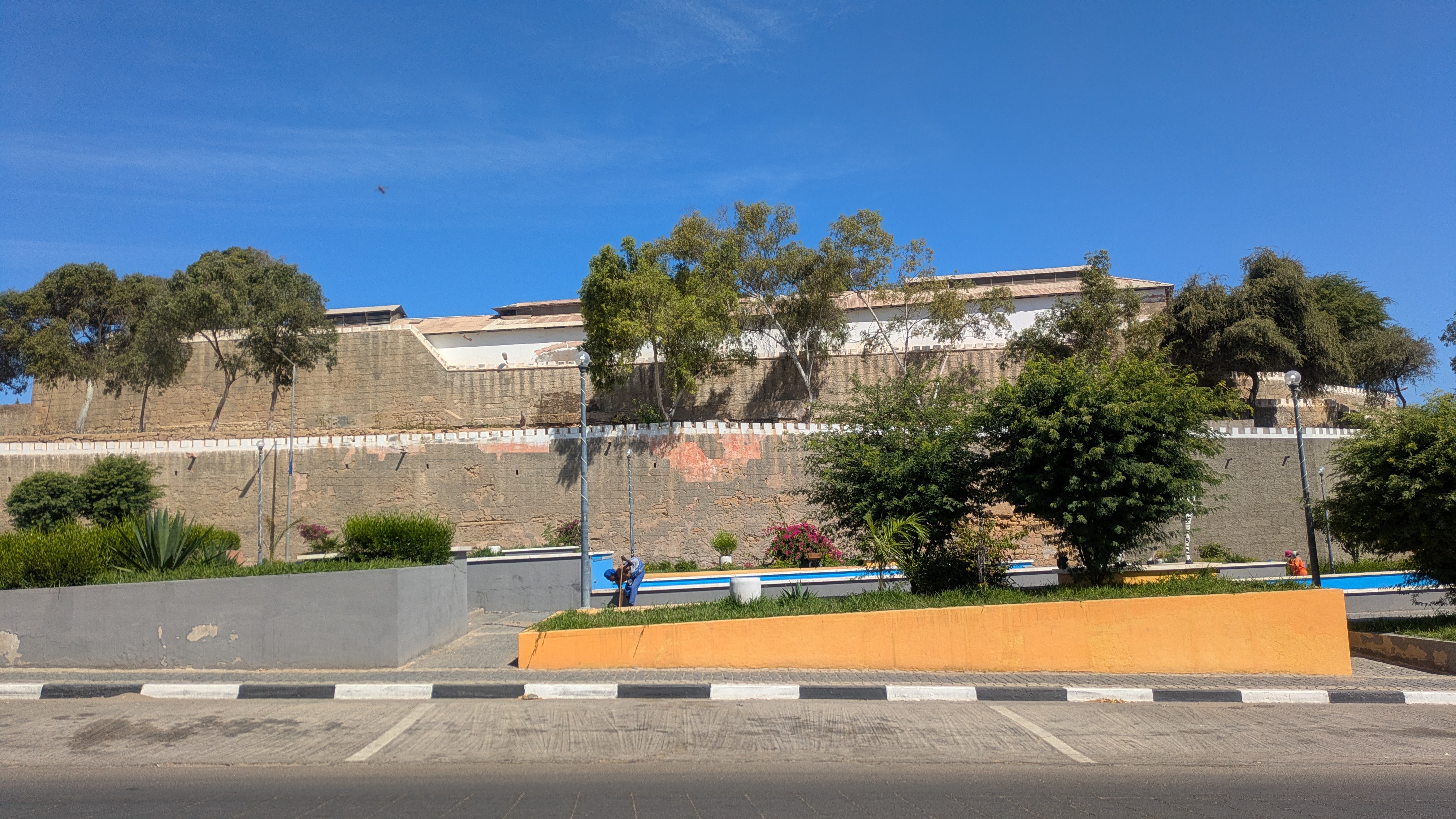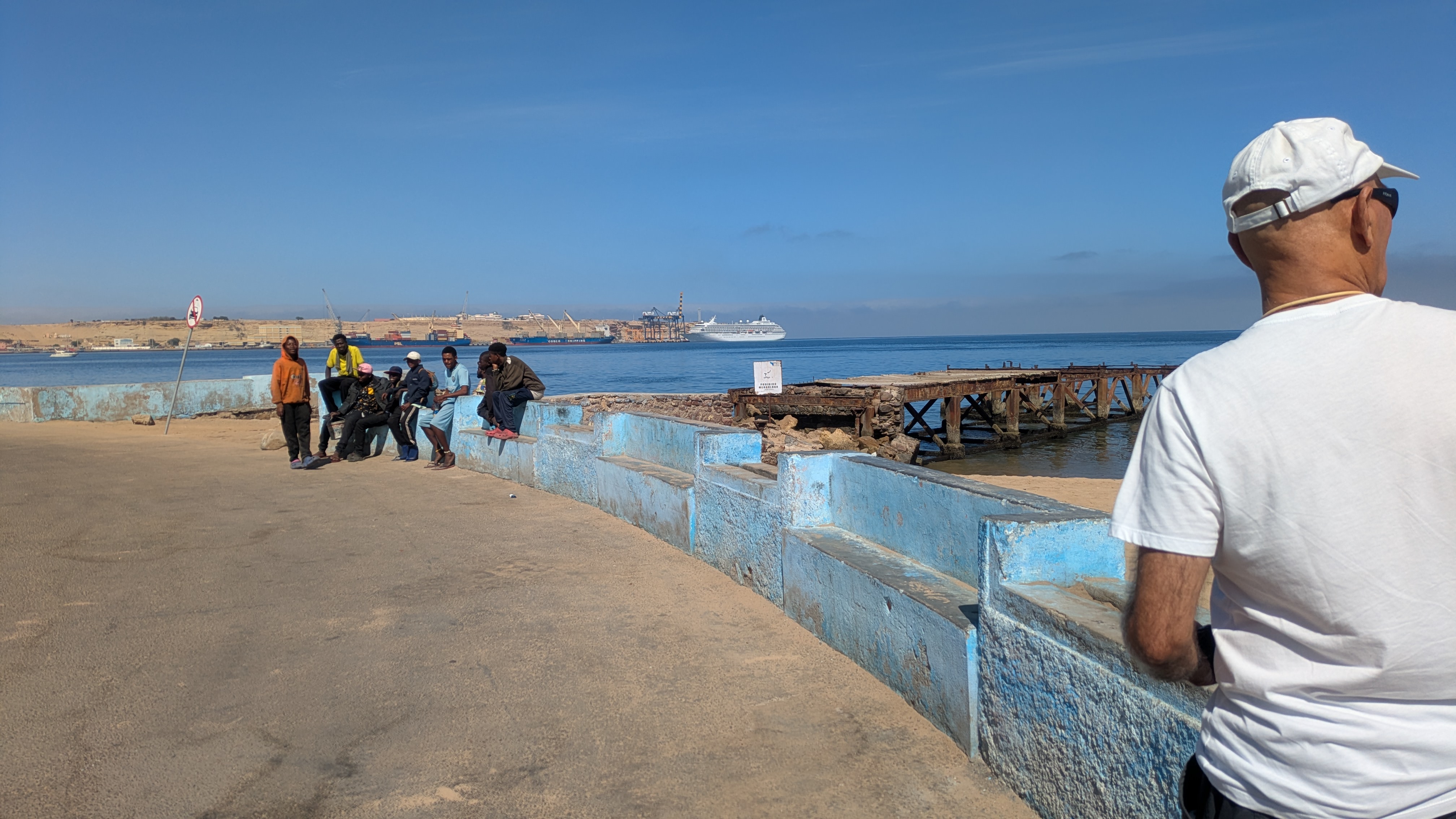
I only recently heard about Melanesia. Polynesia was always in my mind due to the old musical, South Pacific. And a friend who bantered with me “about the number of countries we’ve visited”, beat me with his visit to Micronesia. The latter is named due to the number of “small islands”, Polynesia, so named because of the “many” islands and that leaves Melanesia, the “Black Islands”. The name refers to the dark skin of the inhabitants.
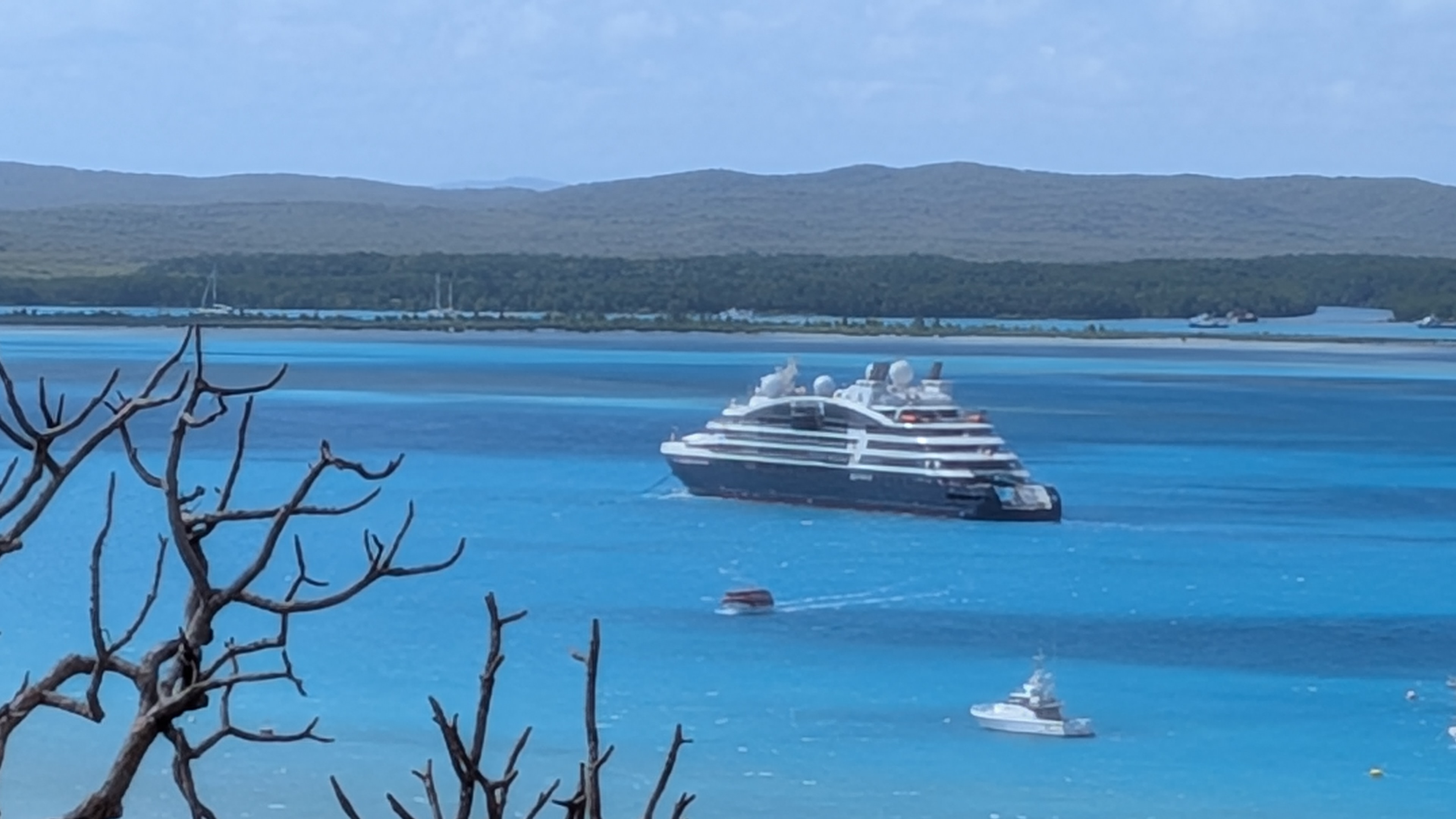
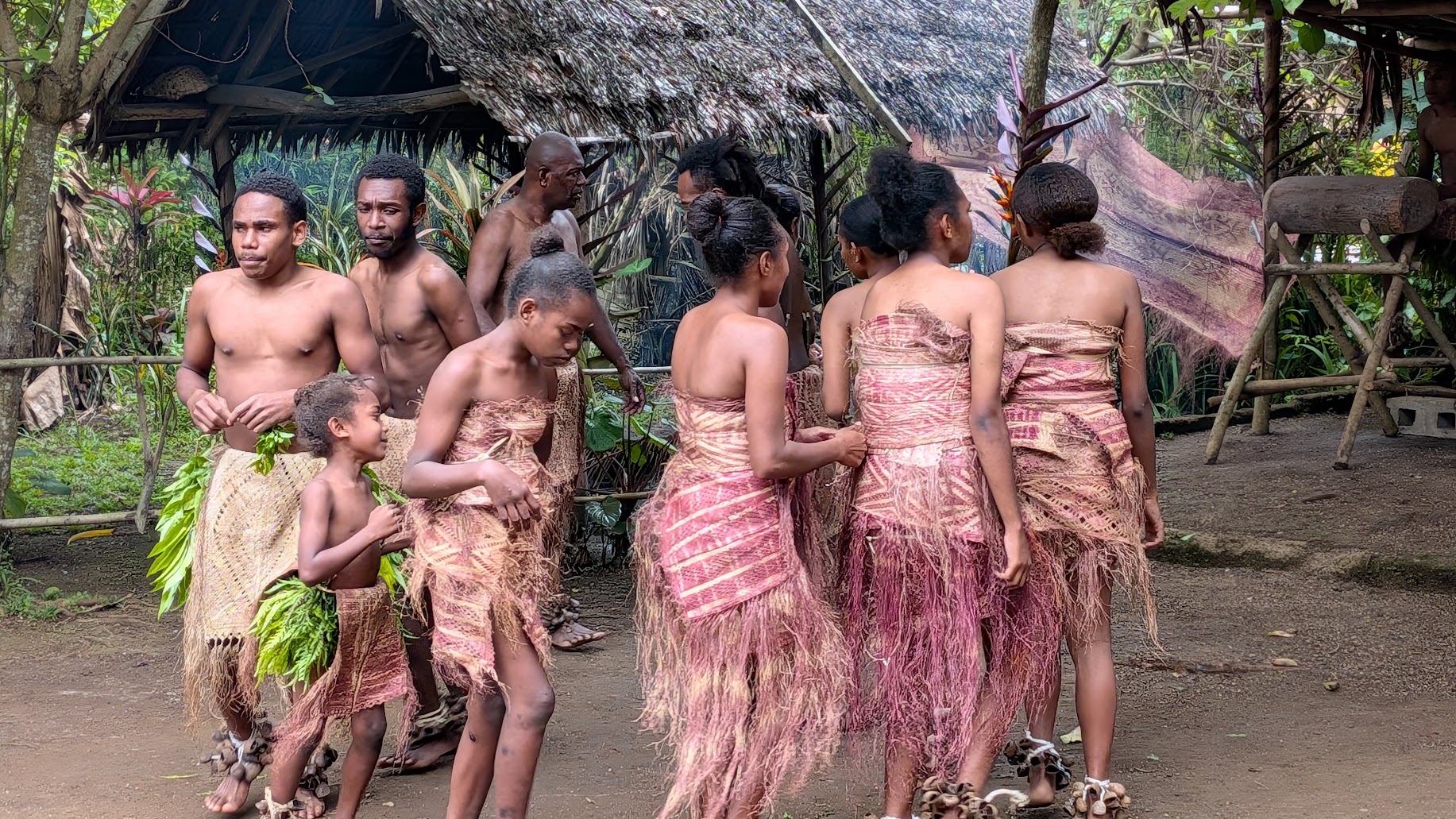
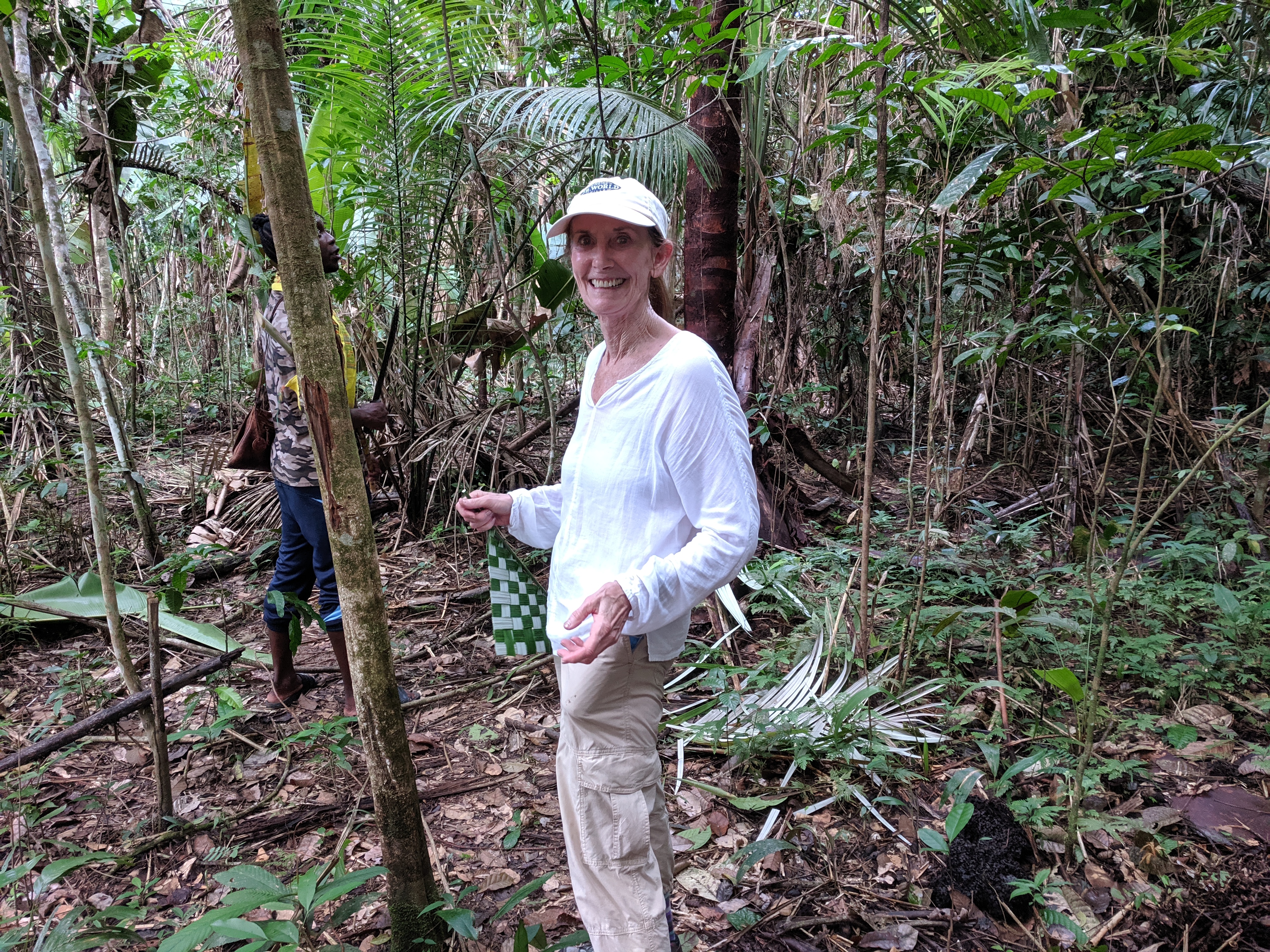
My cruise took me to four of the five countries in this “ring of fire”, where a large number of earthquakes and volcanic eruptions occur. A large majority of the populations of these islands, which are culturally and linguistically diverse, still live in small tribal villages where their ancestors have lived for thousands of years. They rely on subsistence farming and fishing and still honor their ancestral customs by making tools and clothes from trees,shells and bamboo.
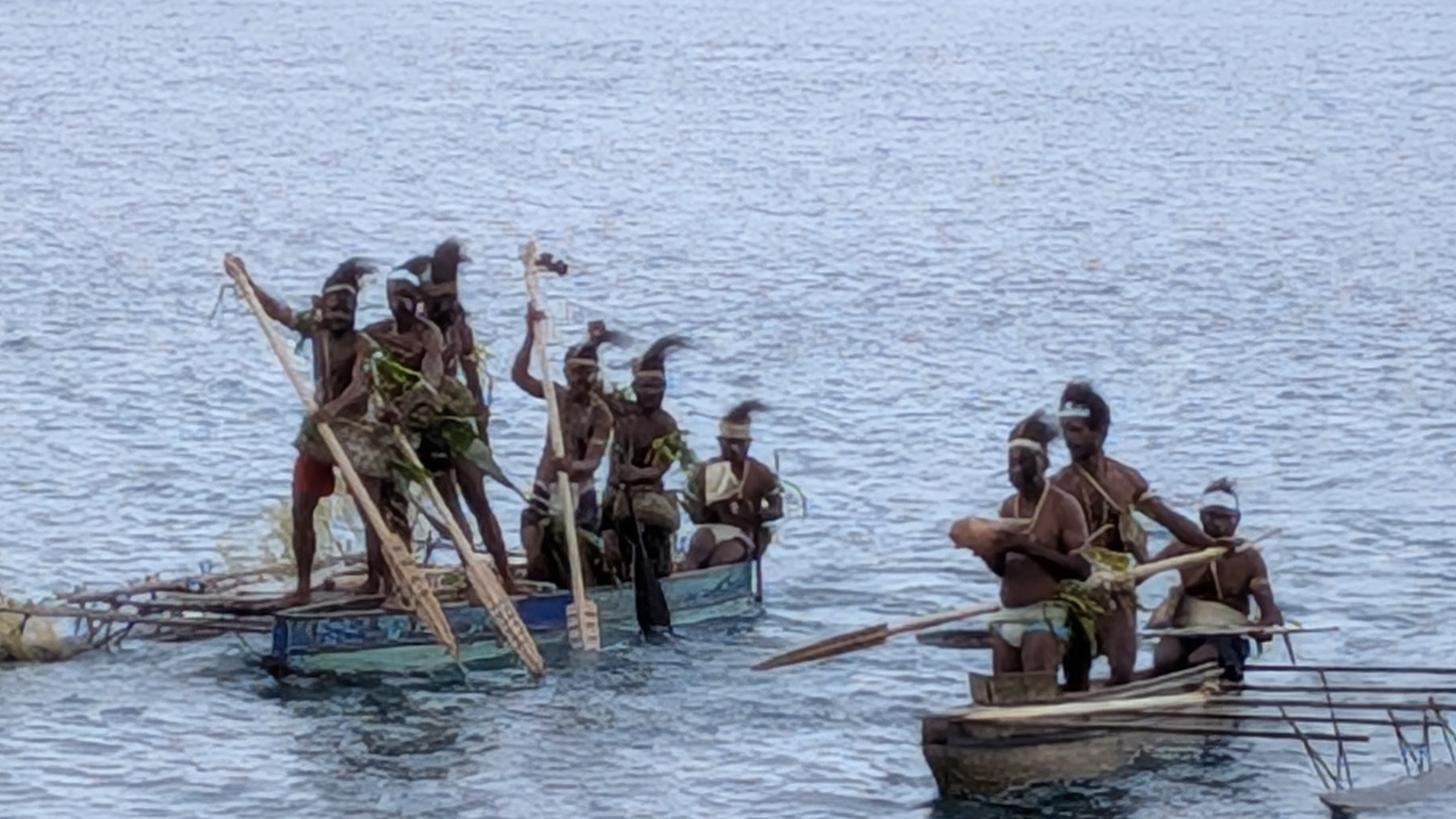
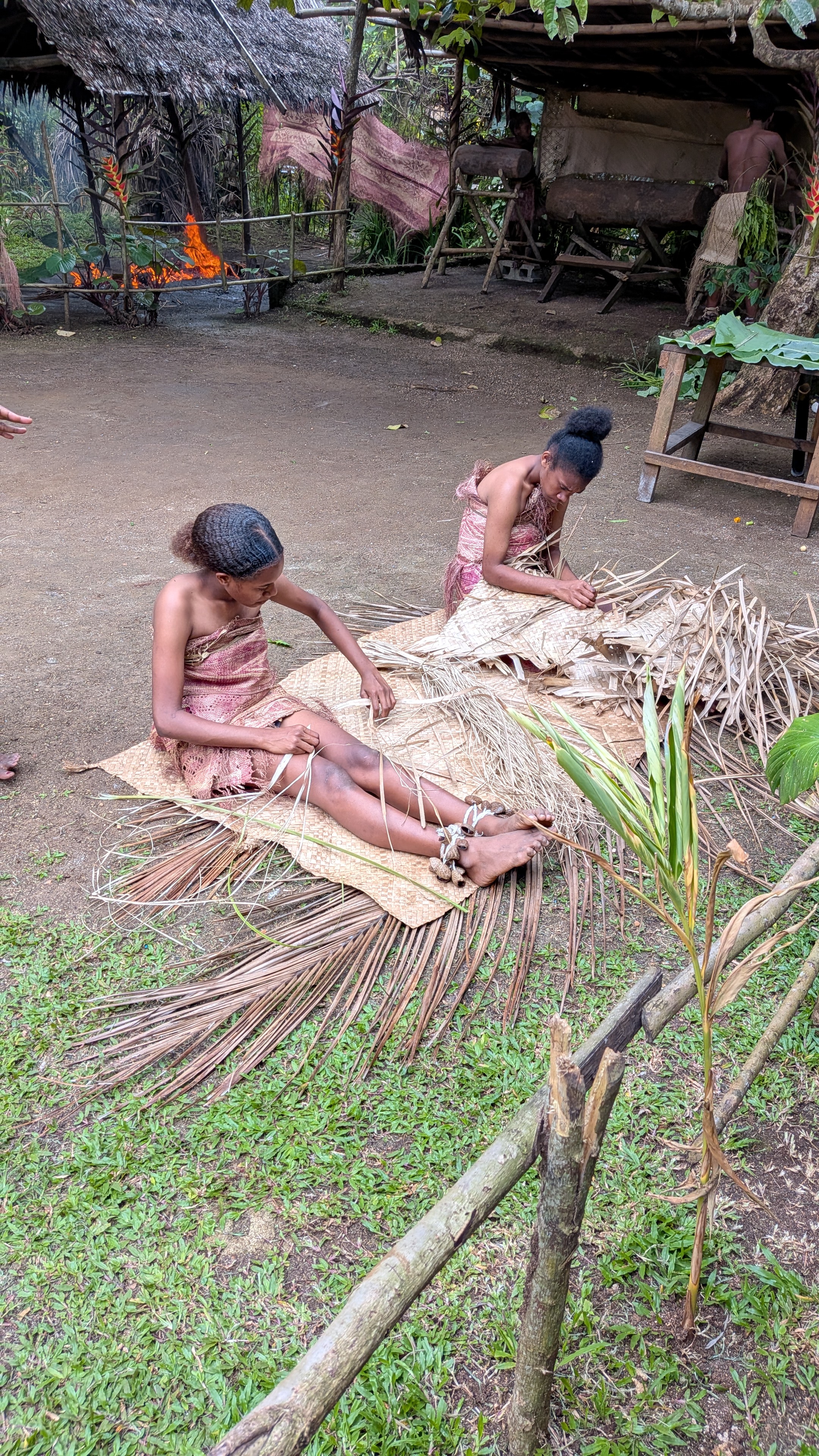
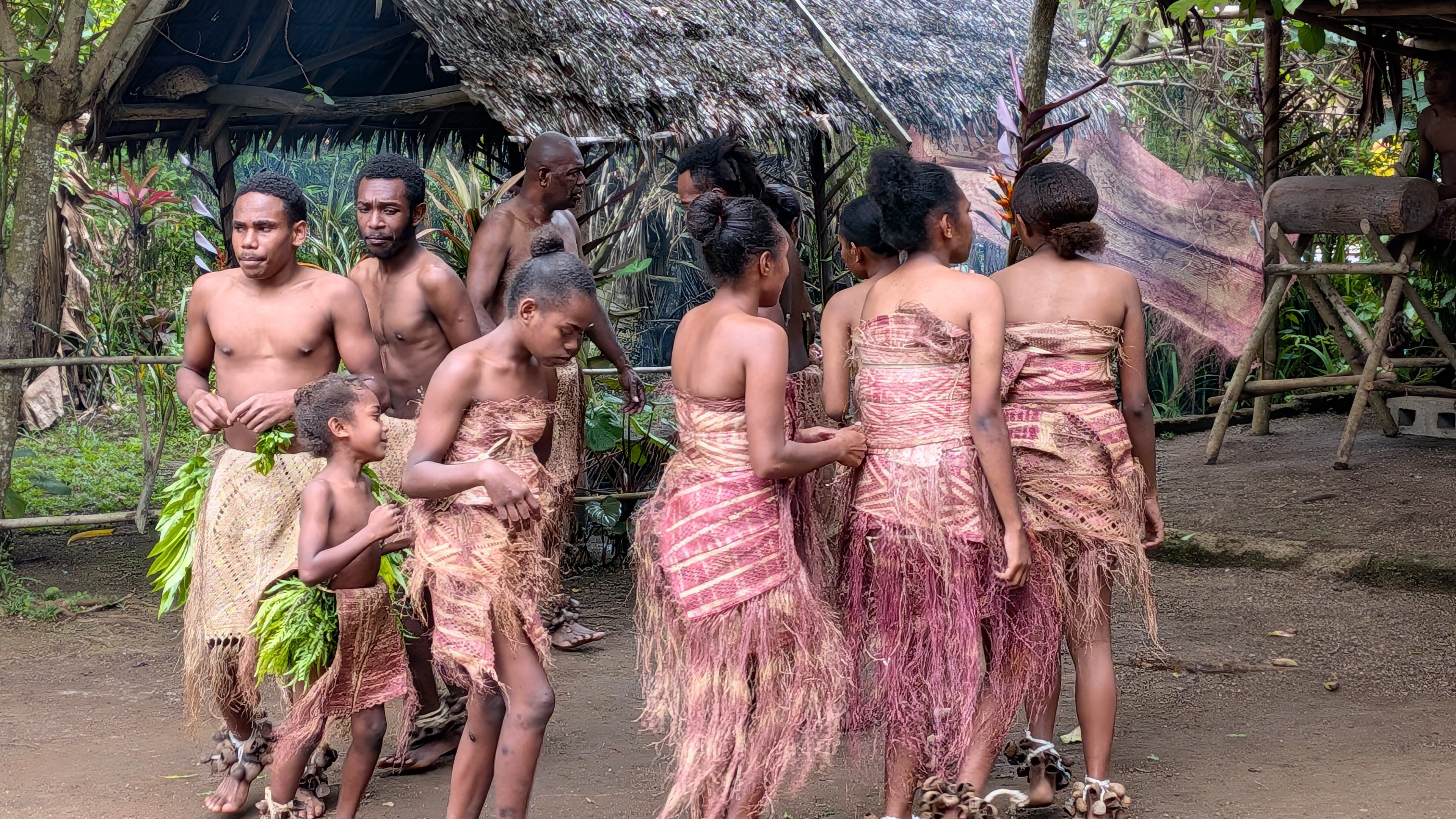
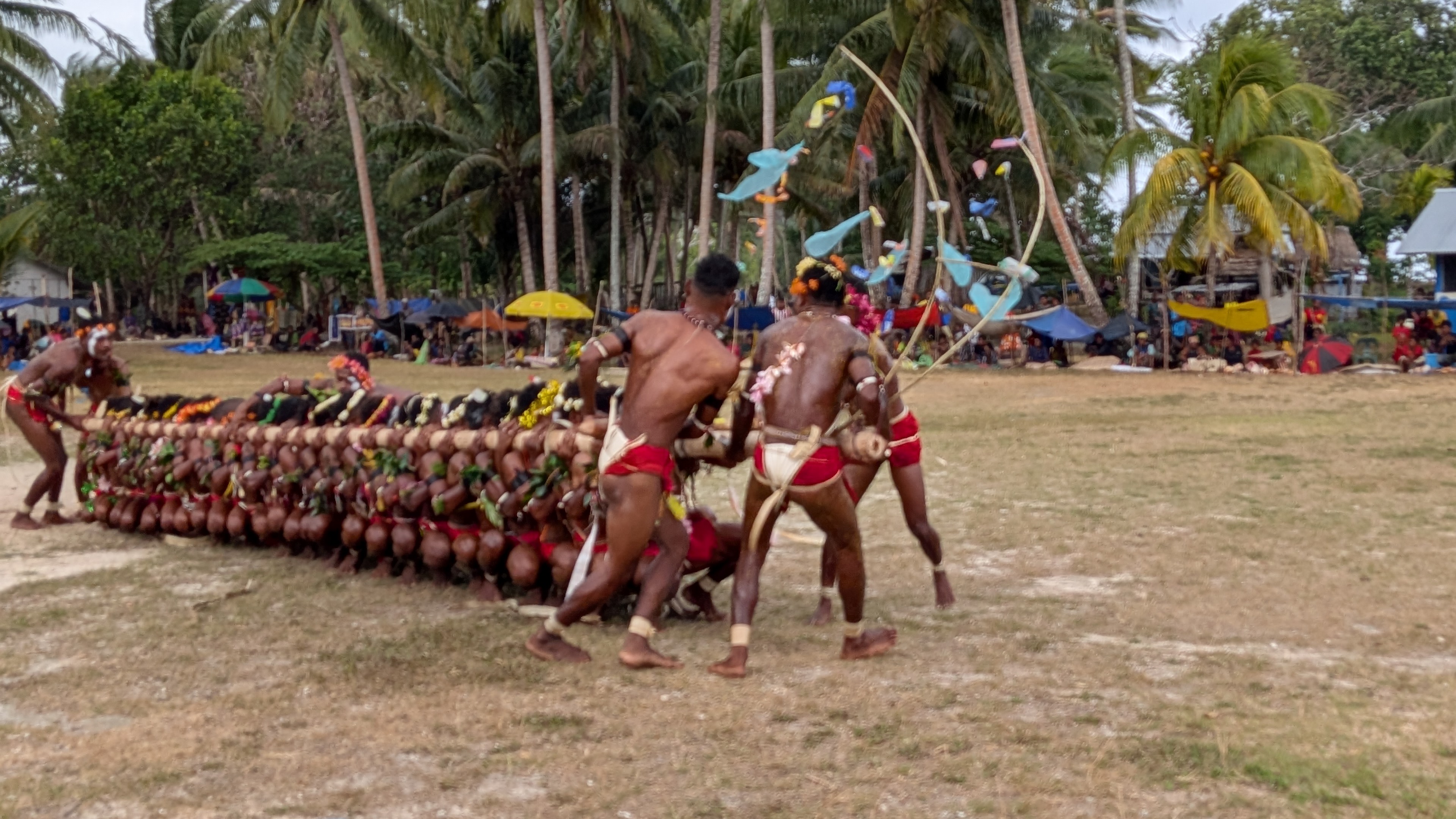
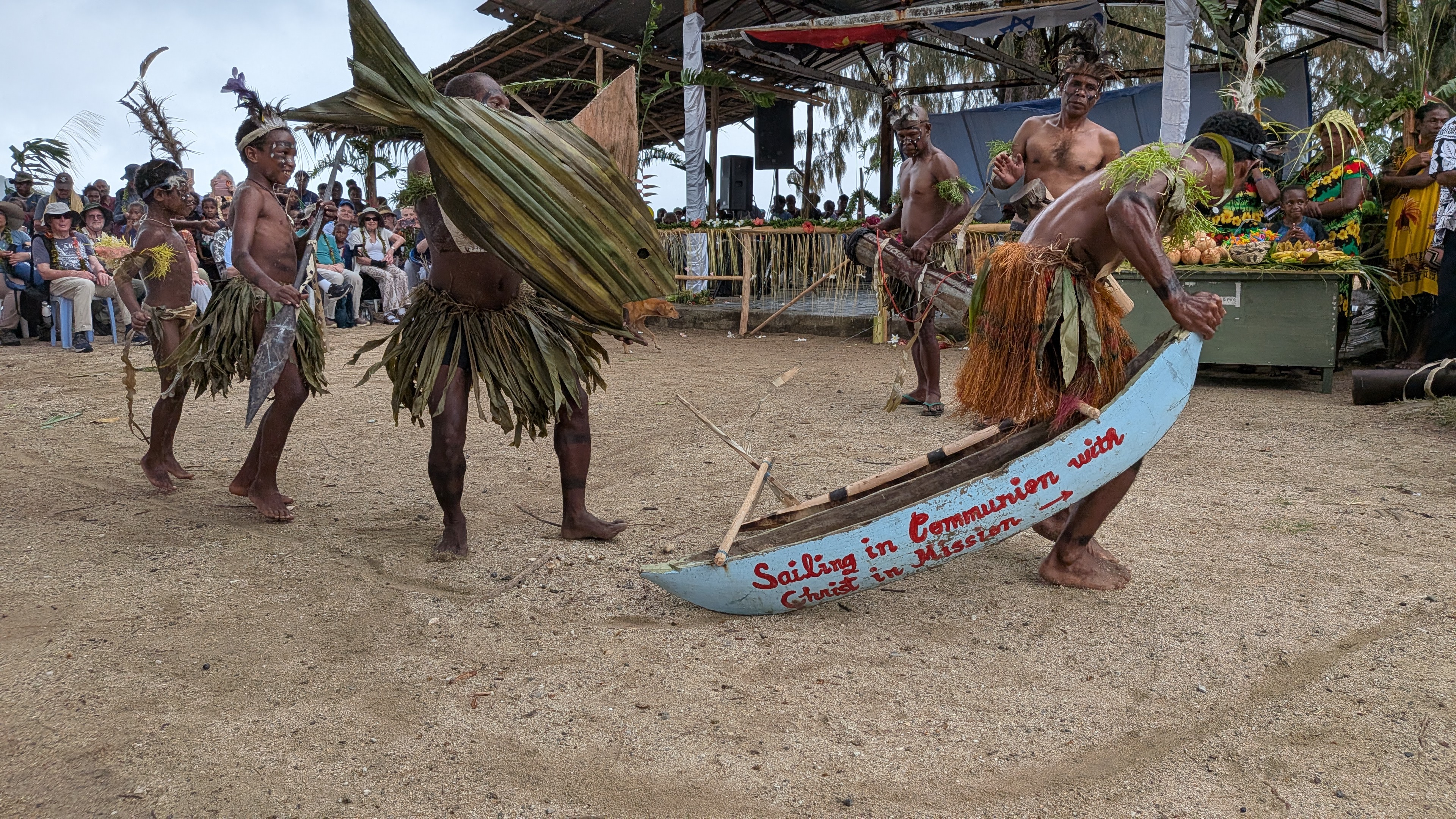
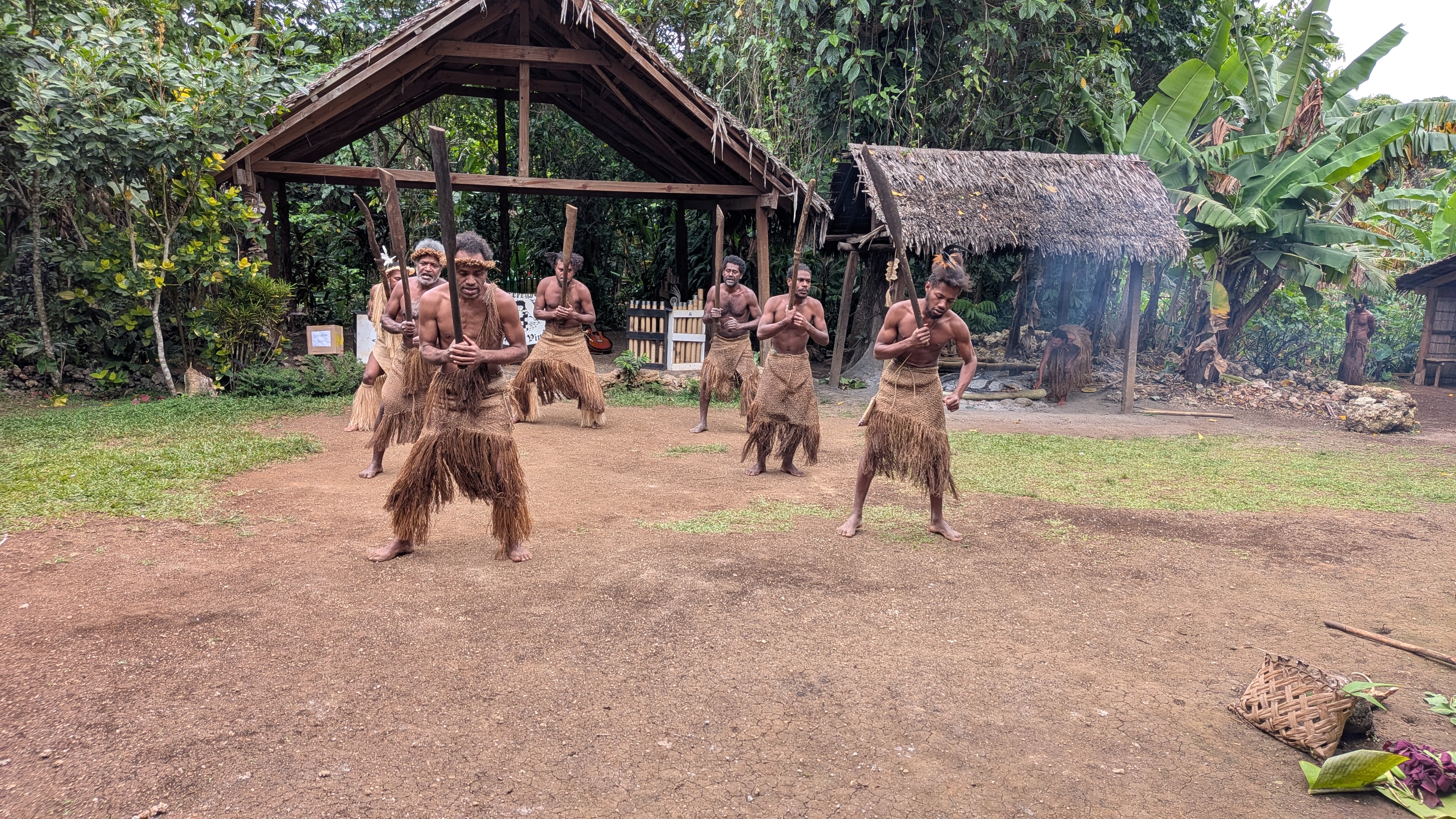
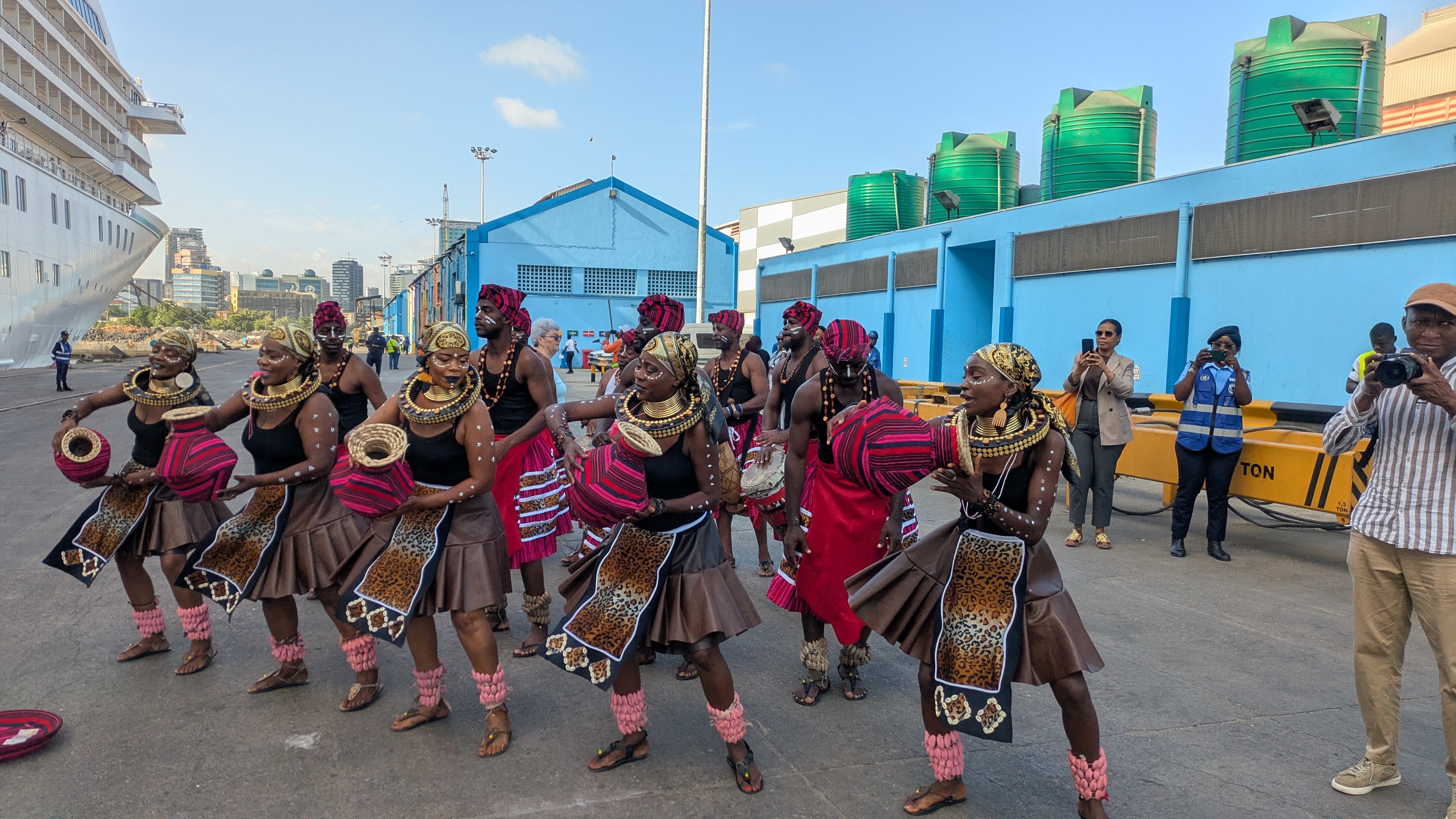
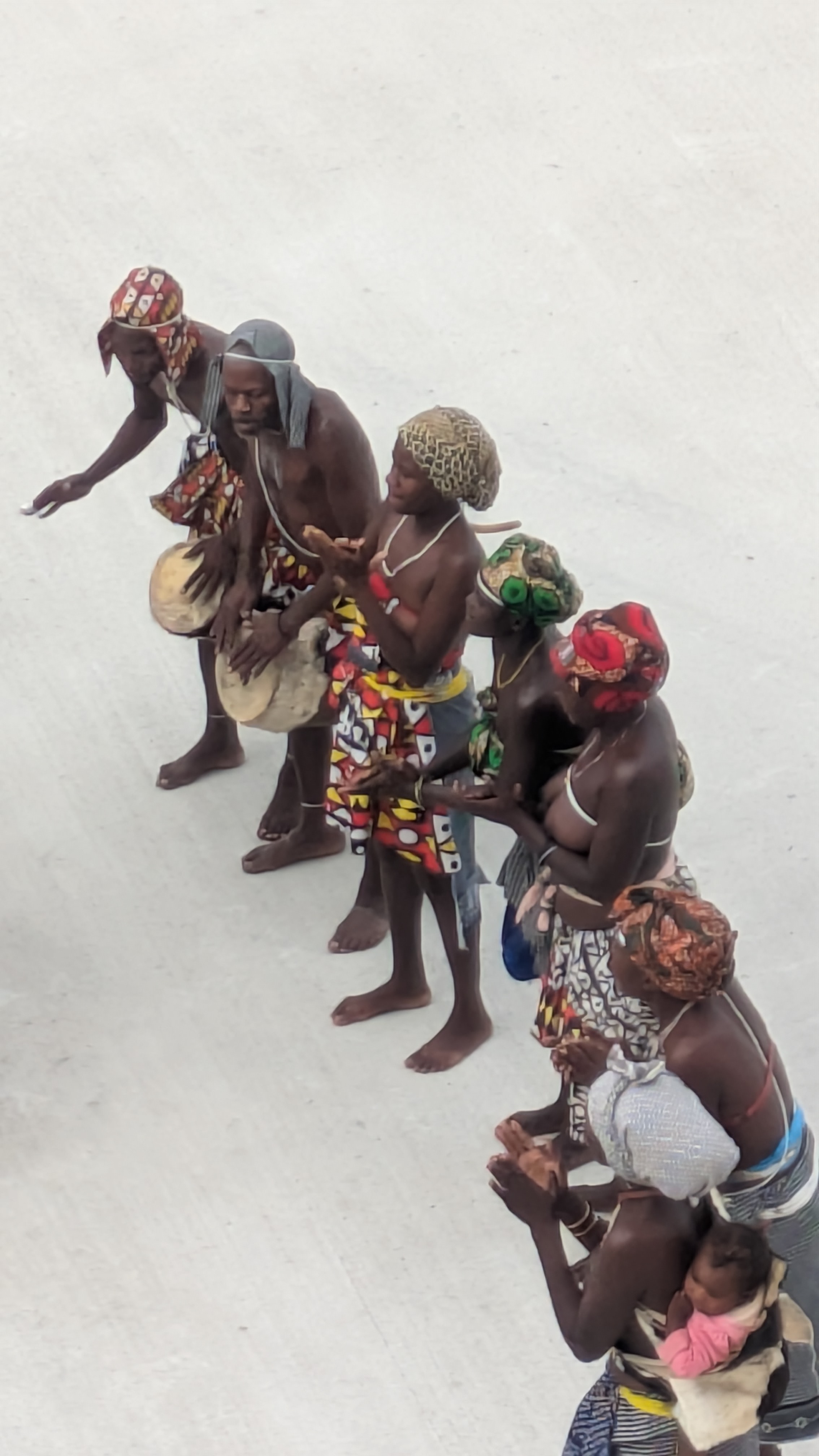
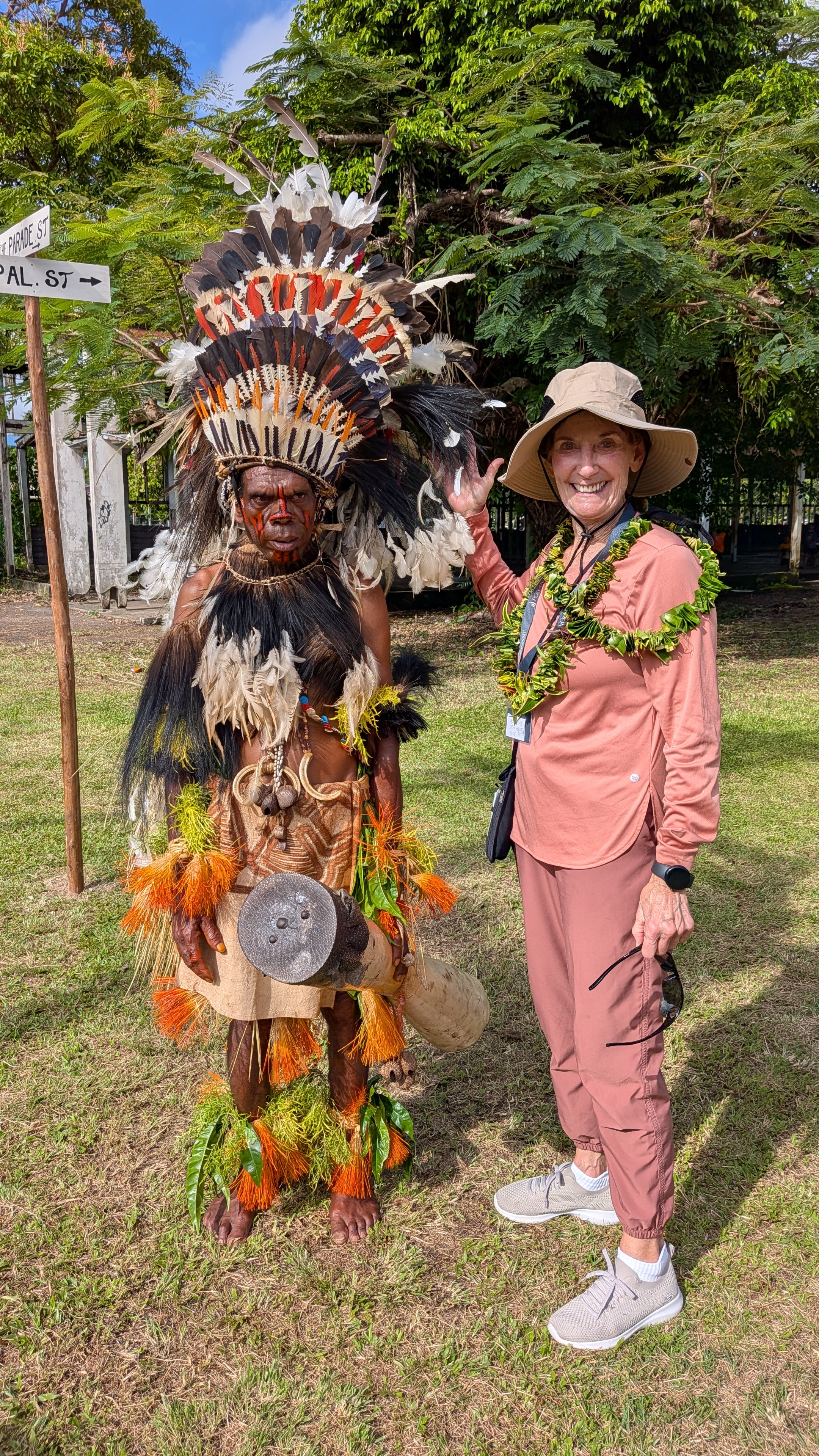
As tourists we encountered some sacred practices: men, women and sometimes children with full face masks, body paint, and ritual dances. Some of my group felt this was over reaching but the local tribe was setting the boundaries and recieving fair compensation. This sharing of their culture can provide vital income in addition to preserving their heritage on their terms.
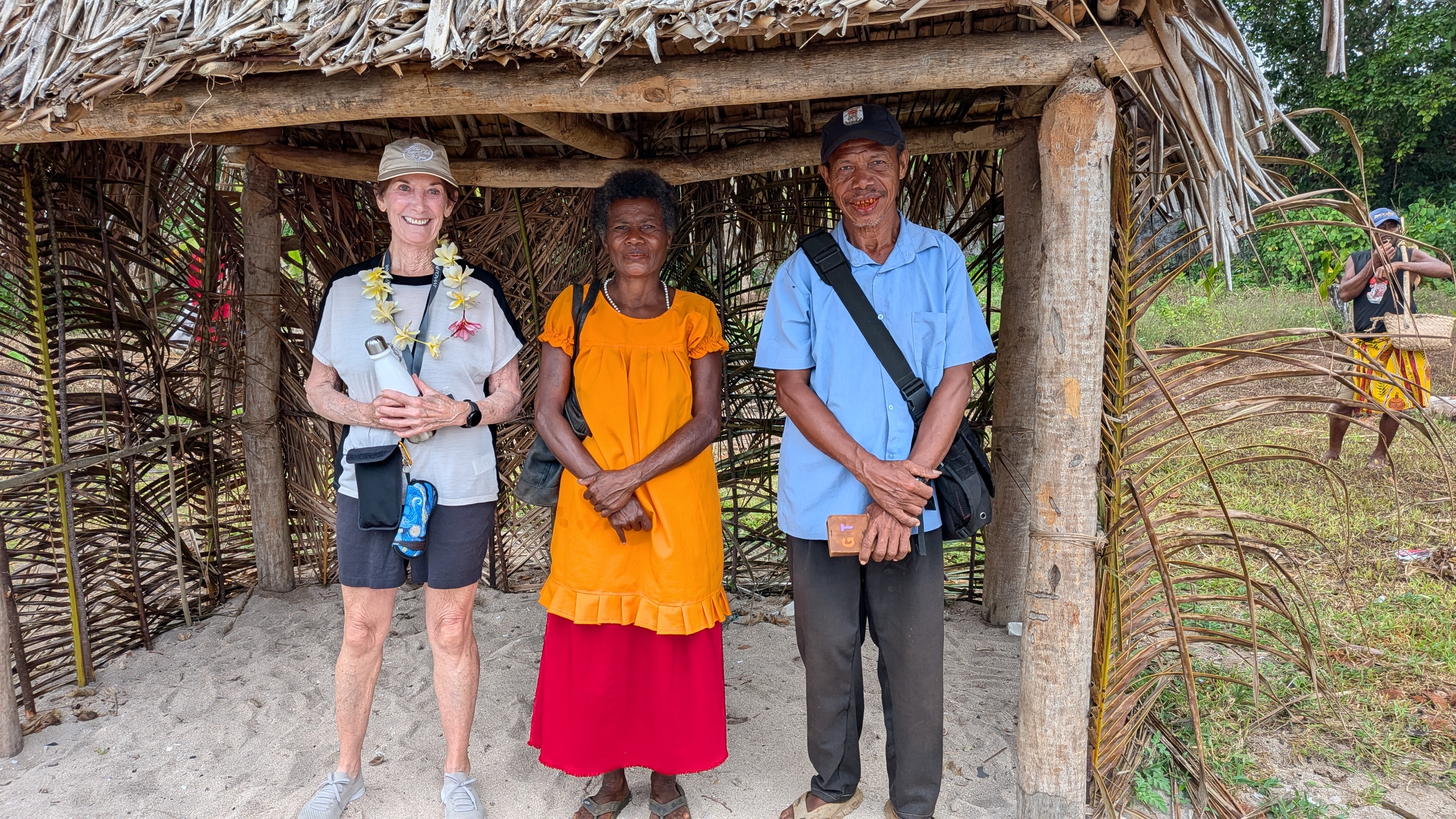
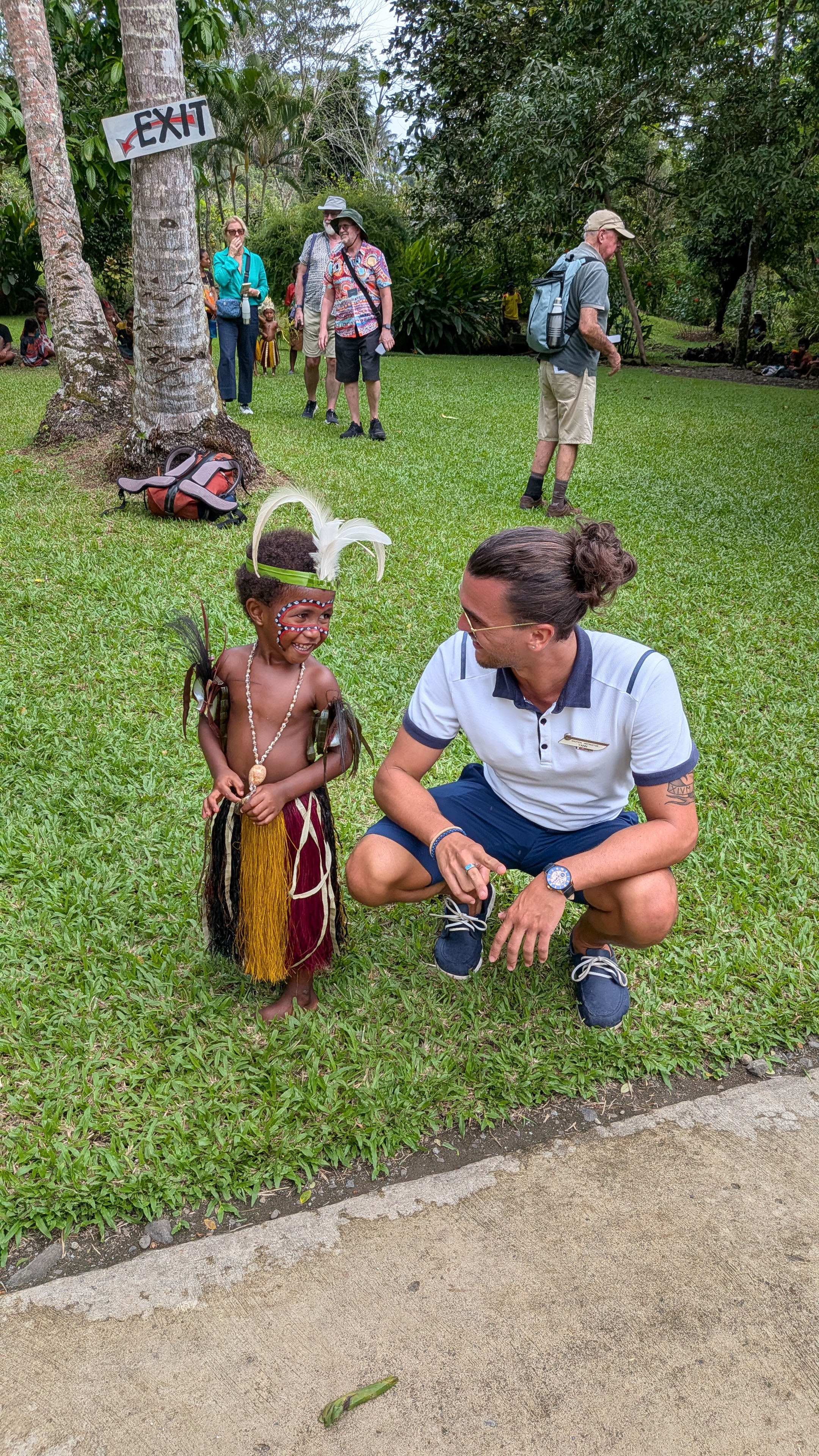
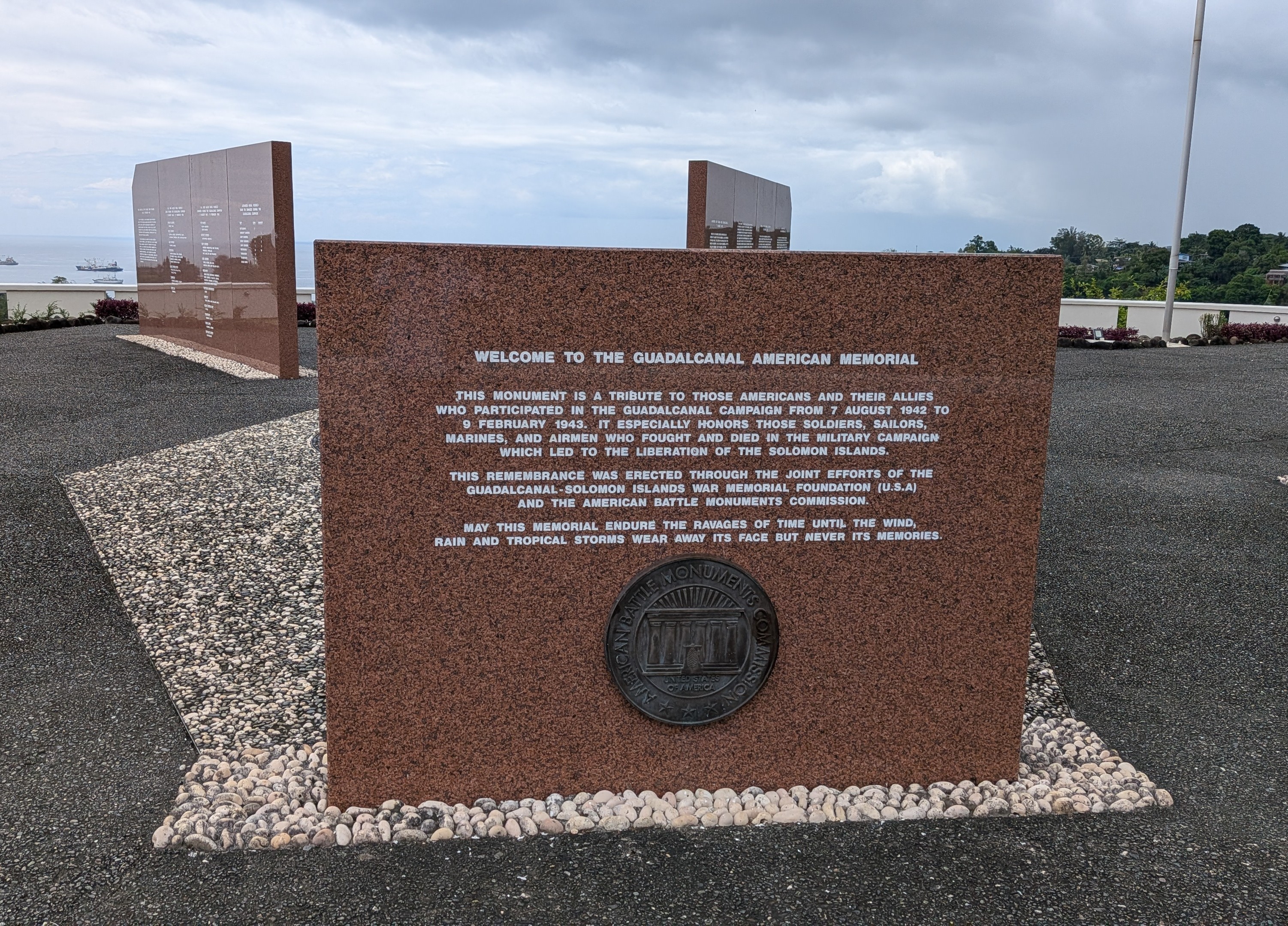
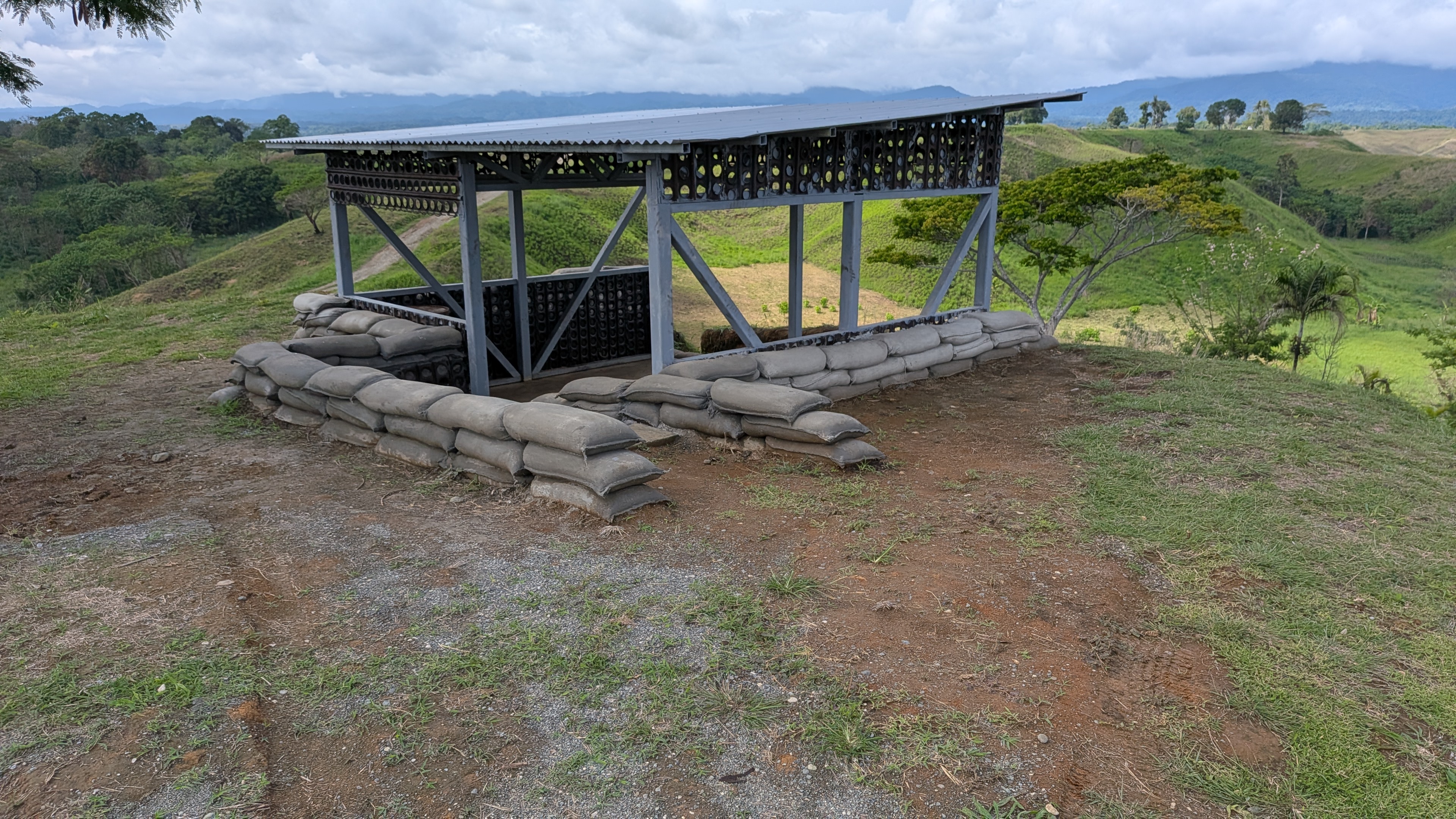
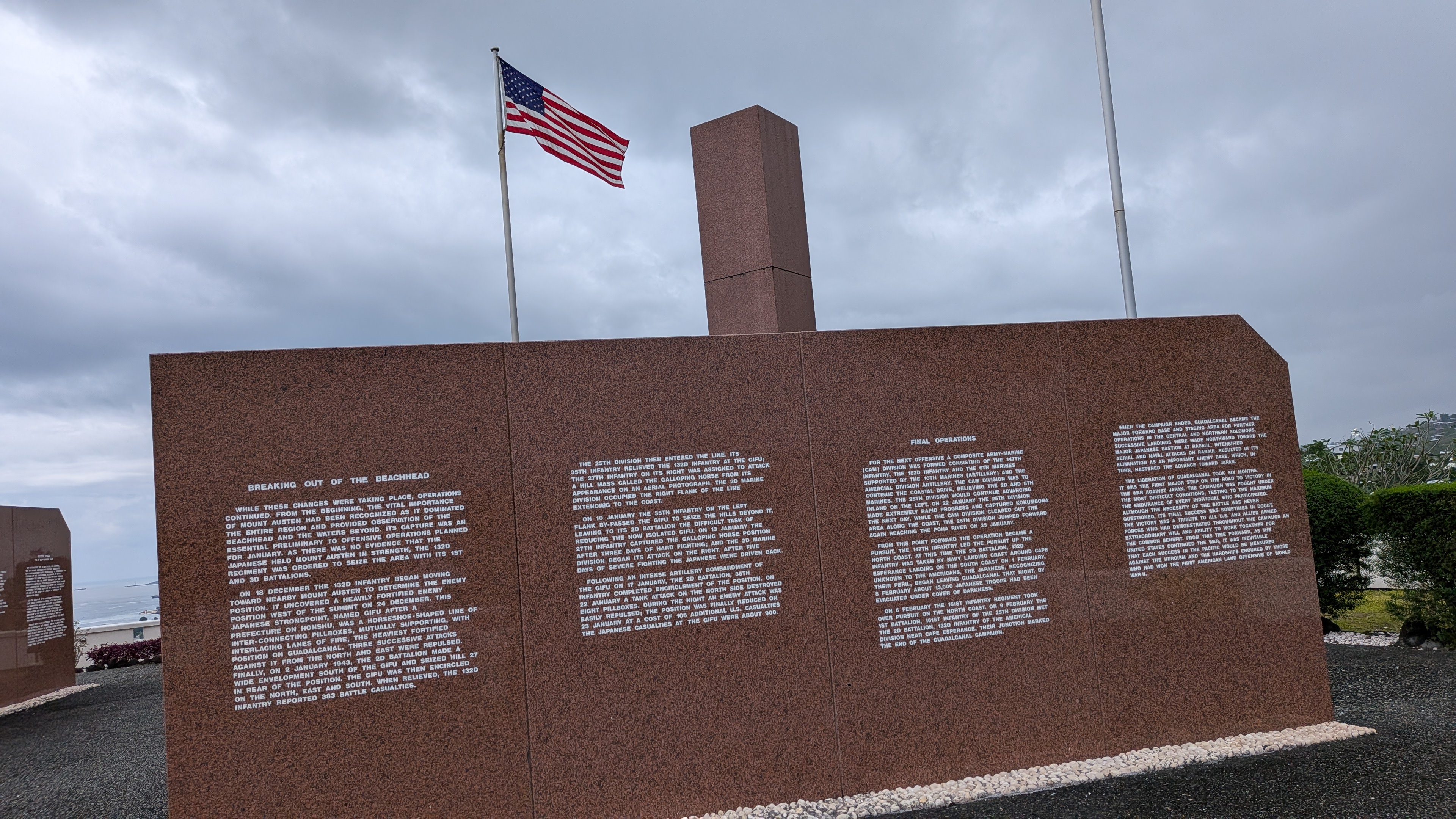
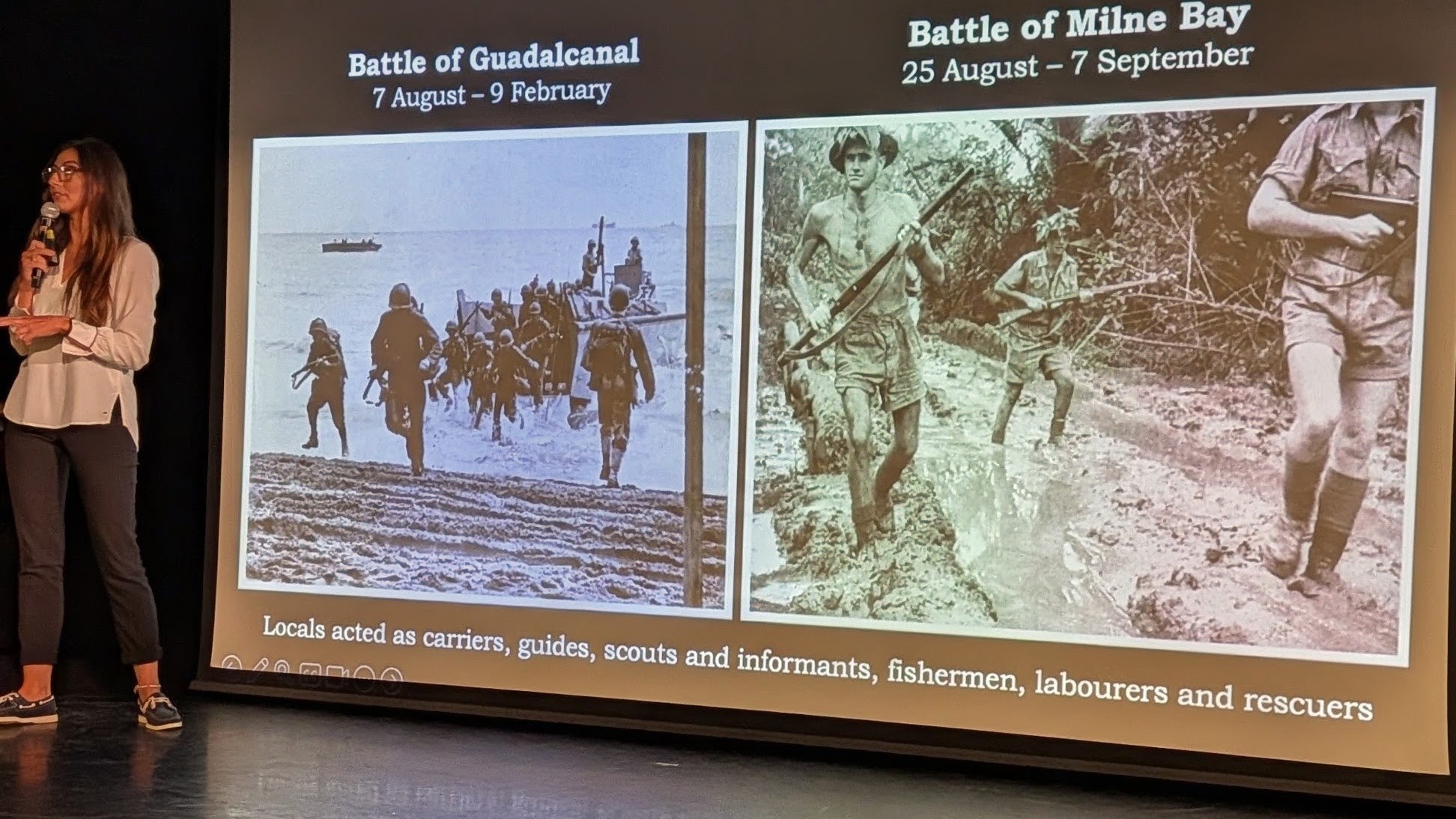
Papua New Guinea,Solomon Islands and Vanuatu were all heavily involved in helping the Allies during World War II. In PNG locals built airstrips, roads and other infrastucture needed. They also acted as guides and scouts and they carried many wounded American and Australian soldiers to safety on make shift stretchers through the jungle.
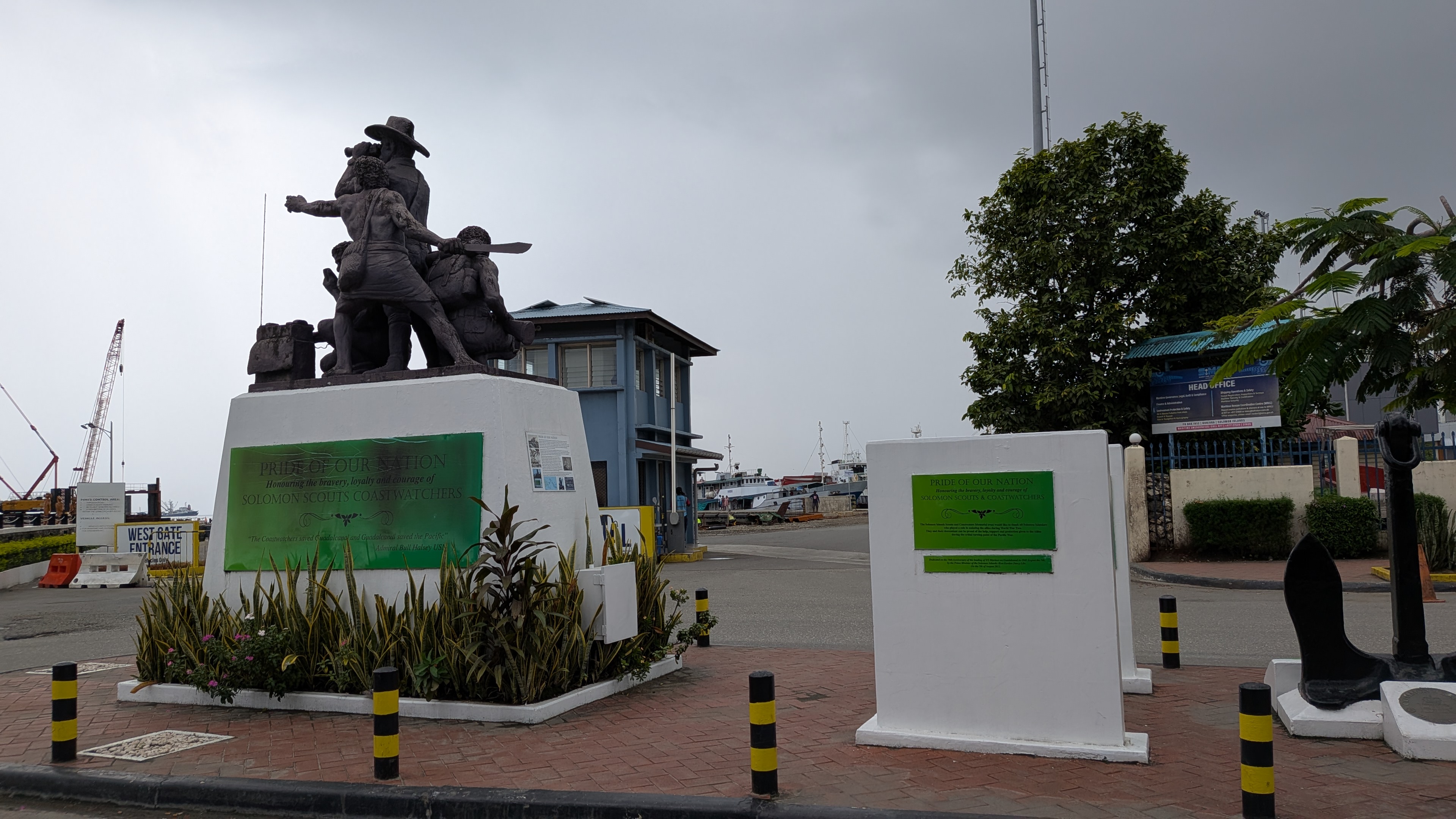
The indigenous islanders of the Solomon Islands spied on the Japanese and gave critical information to the Allied forces and also acted as scouts. They were instrumental in rescuing stranded survivors, including John F. Kennedy when his PT-109 boat sunk.
Vanuatu islands of Espiritu Santo and Efate were major staging areas for the Allied Forces with airfields, hospitals and naval anchorages.
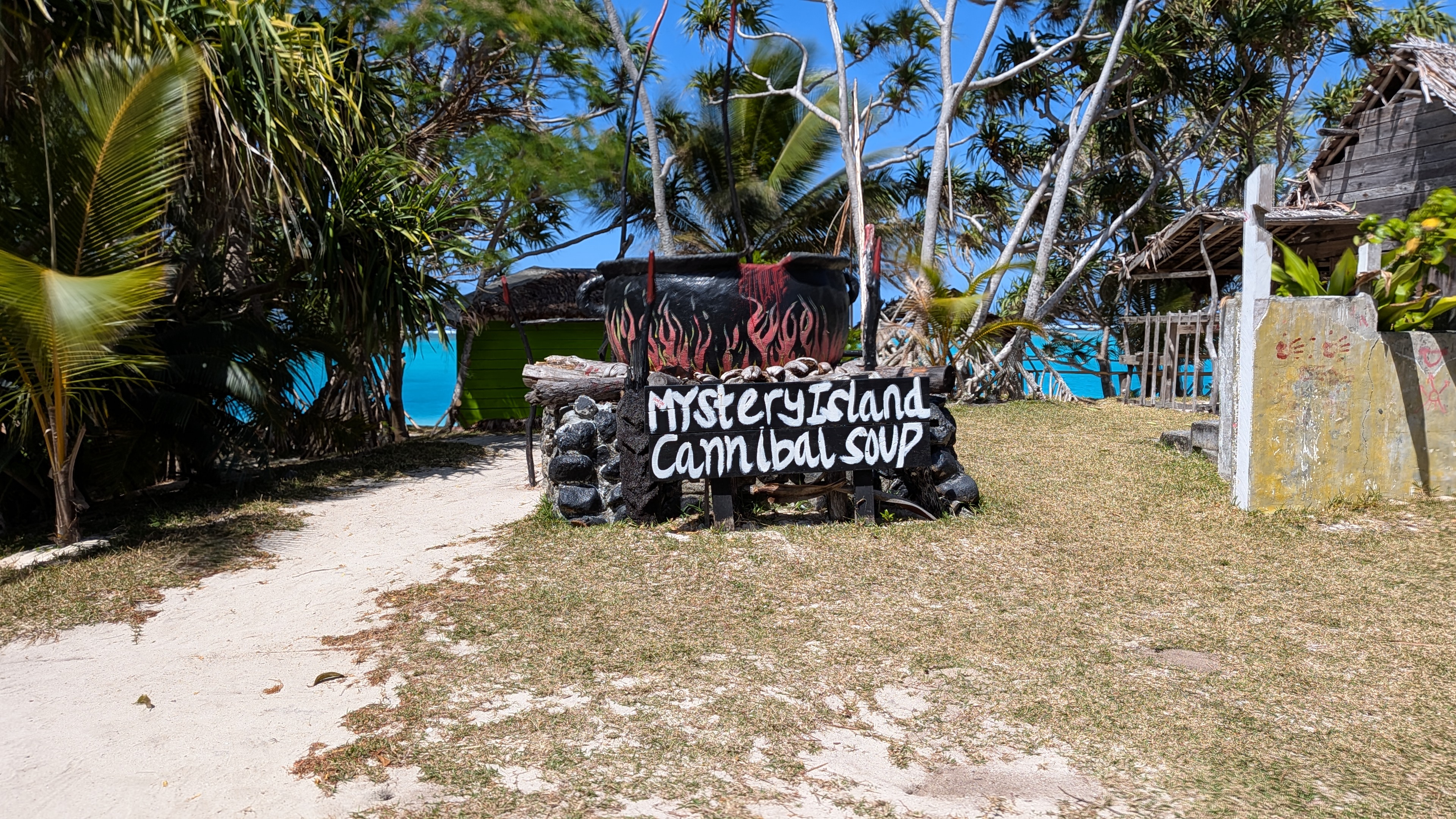
Cannibalism was practiced in this area for years, although it is said that is it completely abondoned now. Historically there were three main reasons for this. War, famine, medicine and even religion have all played a role. To eat one’s enemy displayed dominance; to eat one’s family member was a sign of mourning or a belief that it would keep their spirit alive. It was rarely practiced for survival.
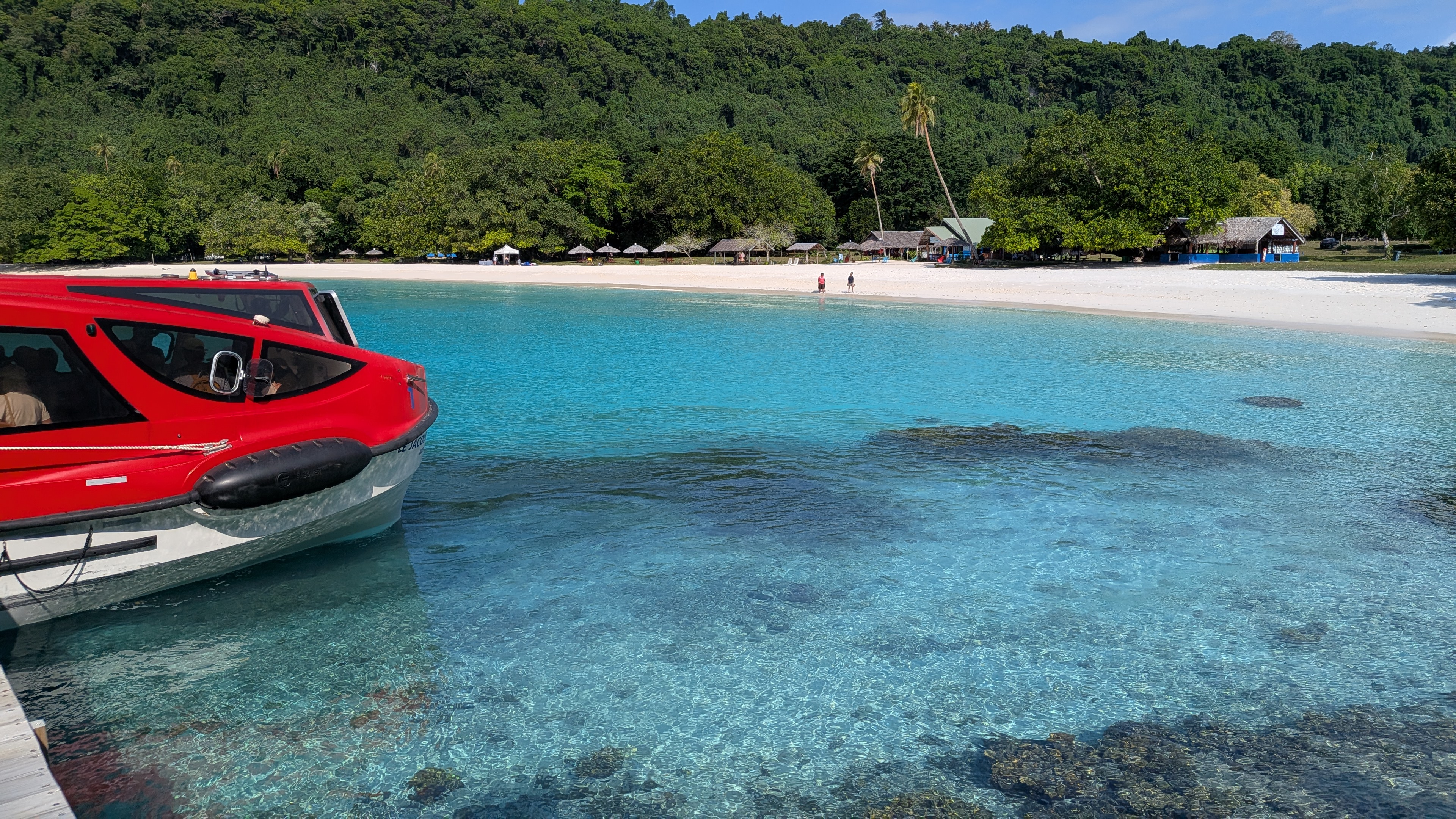
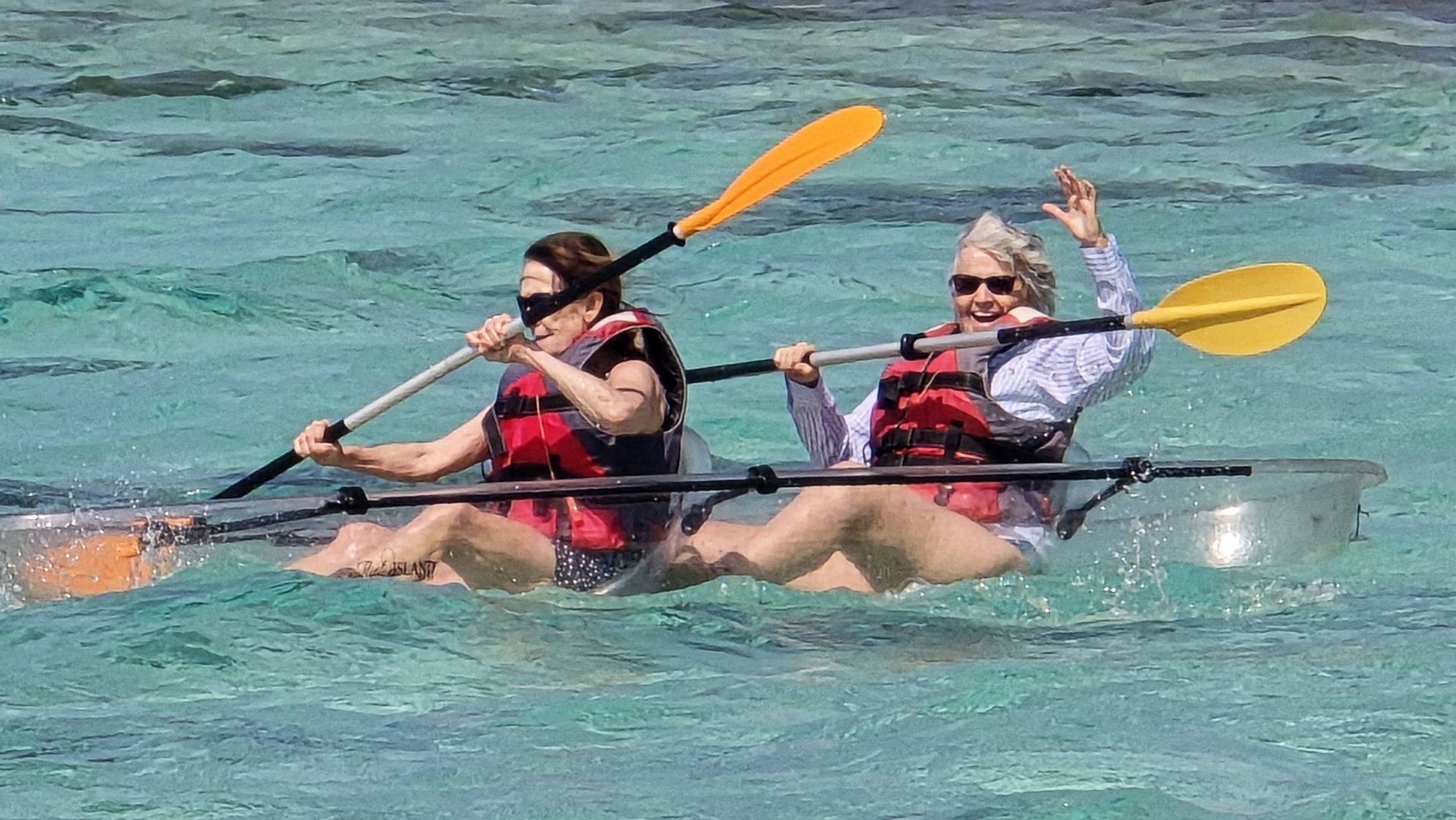
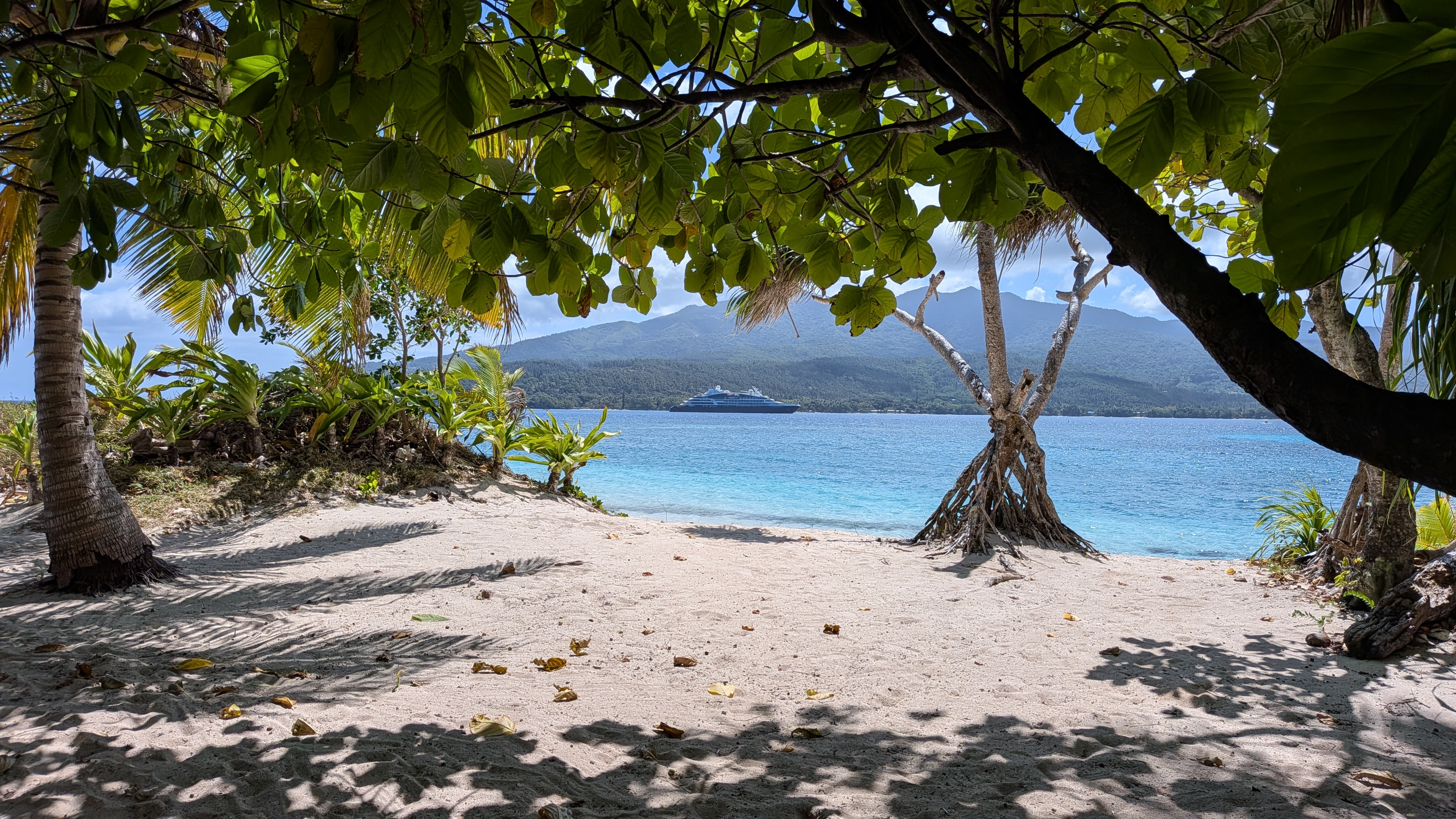
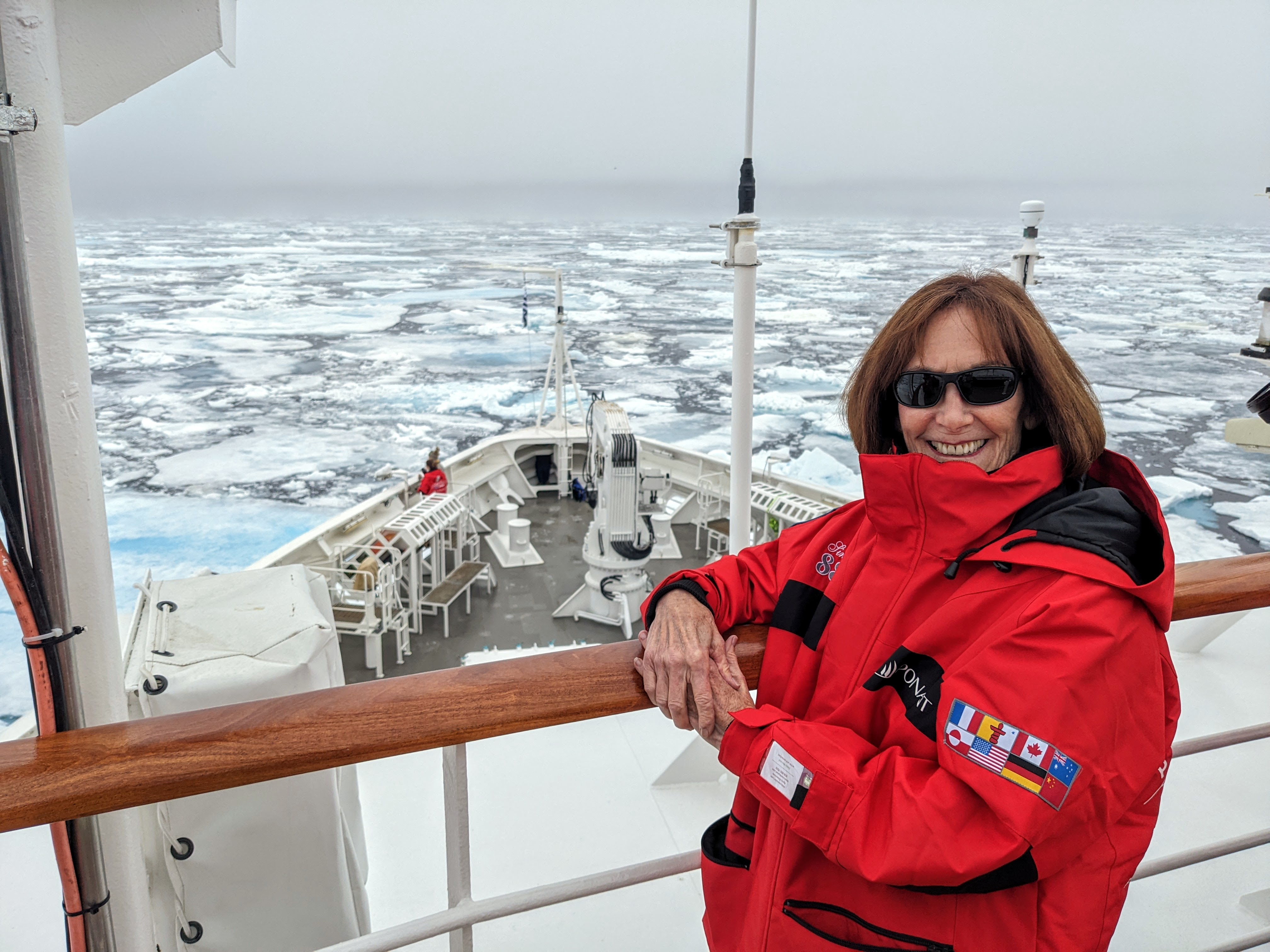
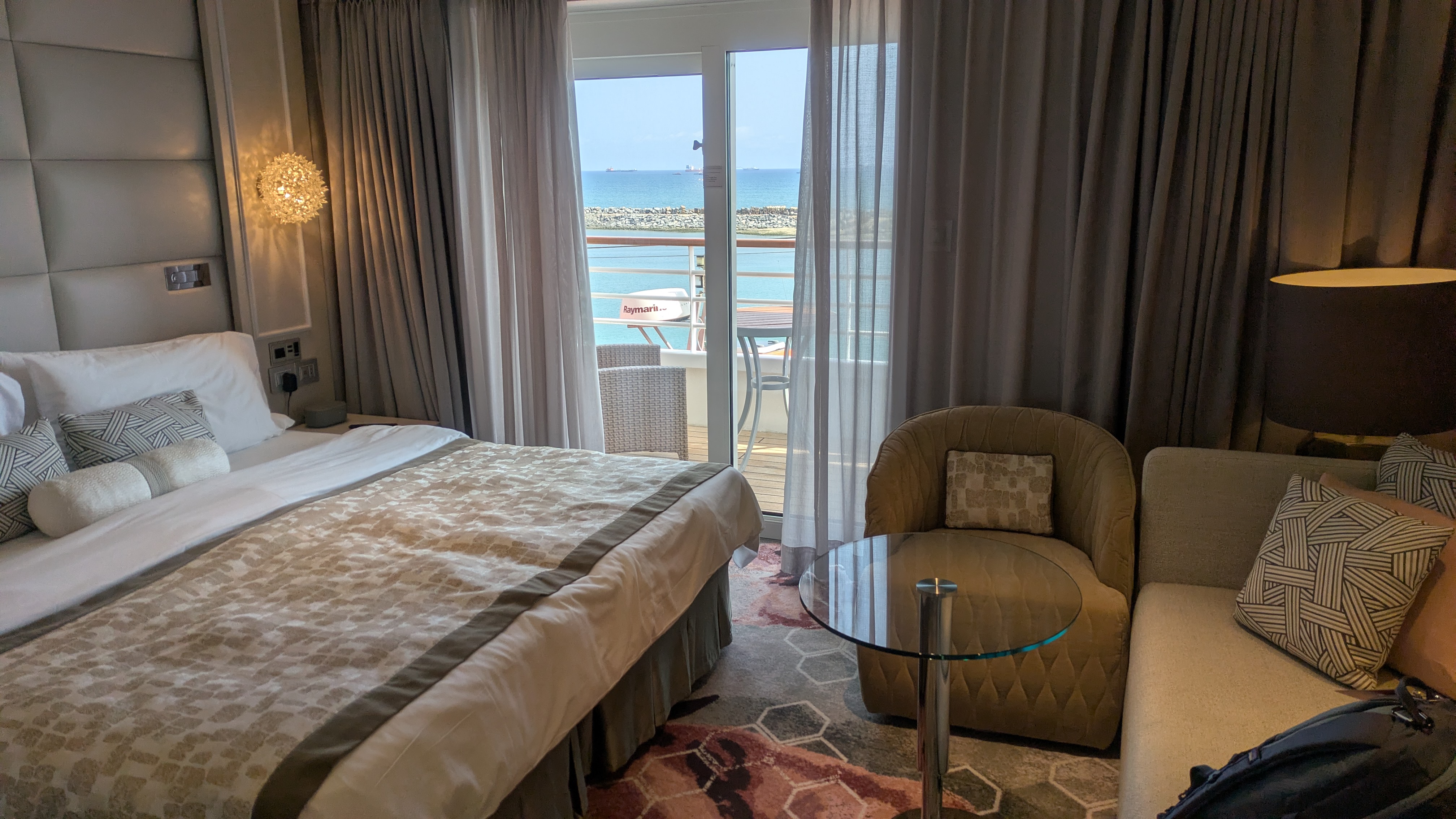
It was an incredible trip that was educational, fun and very interesting! I was able to get my own cabin on Le Ponant’s ship, the Jacques Cartier, without paying a single supplement. I met so many like-minded individuals and hopefully will keep in touch with them and maybe even see them again on another cruise!