
Before leaving Bolivia I wanted to spend some time in the capitol city, La Paz, another highlight as it sits on the Antiplano plateau in the Andes around 11,500 feet. While the connotation of sprawling can be negative I can’t think of a better word to describe this city. It stretches as far as the geography allows.




Traffic can be stifling and slow going especially with the current protests that appear frequently and often block streets and neighborhoods. But one can still see much from above as the cable cars transverse the city in all directions and serve as the main public transportation with 10 different lines and over 25 stations.
Close by the city is the Valle de la Luna with more amazing rock formations from years of erosion with easy hiking trails and photo opportunities.


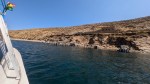
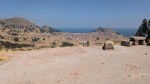
My final journey was a full day trip to Lake Titicaca where I enjoyed a day on a boat. The lake is nearly equal on both sides of the Peruvian and Bolivian borders. My experience started in Copacabana and was a private tour with the pilot, tour guide and driver allowing me the ultimate freedom of choosing the stops! BTW, of course it is the highest navigable lake in the world and one of the few ancient lakes that have existed for millions of years!


As the proud “mom” of a Schnauzer I was stunned by the number of street dogs in Bolivia. In 2017 a dog named Carmelo was chosen as a monk at a monastery in Cochabamba after being rescued. I read where there is approximately 2 million dogs without proper homes. The constitutuion specifically calls for animal protection but somehow they have not been effective in stemming the growth nor educating people on pet ownership. On the way back to the city from our outing my guide bought a big bag of bread and everytime he saw a dog along side the road he threw out a hunk. Apparently it is how these dogs are fed. I was both happy and very sad.


 Aging Adventurer